
Oral Hygiene Education for Kids
at Kids Teeth in Mt. Pleasant
Brushing and flossing often turn into daily struggles. Some kids resist, others forget, and parents feel stuck wondering what’s working. At Kids Teeth, we make oral hygiene education part of every visit. We show children how to care for their teeth in ways they can understand and repeat at home. At our Mt. Pleasant offices—Johnnie Dodds and Park West—we work directly with parents too. You leave with easy, clear steps that fit your day, not a list of confusing advice.
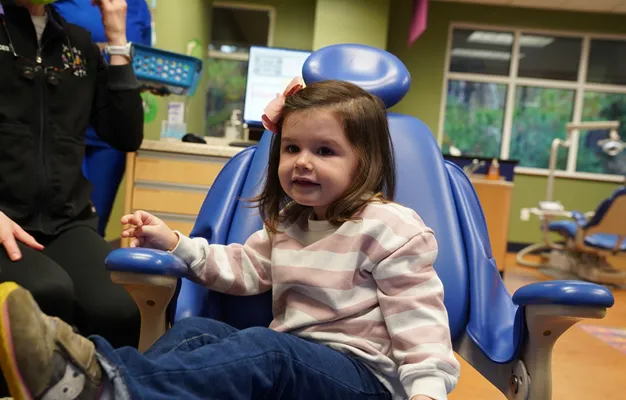
Why Oral Hygiene Habits Matter
Strong daily habits do more than any one treatment. A solid routine of brushing, flossing, and smart food choices can help prevent cavities, avoid gum issues, and keep breath fresh. Good habits help protect baby teeth and set up healthier adult smiles.
At Kids Teeth, we work with your child to explain care in simple, helpful ways. Our dentists show kids what to do and why it matters. When children understand how their actions protect their teeth, they often take more pride in doing the job.
What We Do at Each Visit
Oral hygiene education is not a one-time lesson. At Kids Teeth, we reinforce it every time your child visits. During appointments, we:
- Talk with you and your child about their daily routine.
- Show better ways to brush and floss using models or mirrors.
- Discuss snack and drink habits that may harm teeth.
We use language your child knows and tools that make learning easier. Whether it’s your toddler’s first checkup or your teen’s cleaning visit, we walk you through what’s working and what could improve. Then, we send you home with a few steps, not a ton of rules.
Oral Care by Age
Kids grow fast, and their habits change just as quickly. At Kids Teeth, we shape our guidance based on your child’s stage, not just their age.
For infants and toddlers, we help parents learn how to clean gums and brush baby teeth. We show you how much toothpaste to use and explain why feeding habits affect their smile early on.
For preschoolers and early grade-school kids, we reinforce brushing for two minutes, spitting, and starting flossing. We remind parents that young kids, even those who want independence, still need help. We help you manage that balance at home.
For older kids and teens, we shift toward independence while keeping parents involved. We focus on trouble spots—like brushing with braces, cutting back on sports drinks and soda, and building smart snacking habits. We adjust based on what works for your child today.
Brushing and Flossing Made Simple
Simple, repeatable steps help kids brush and floss better at home. During each visit, we:
- Show how to angle the brush toward the gumline.
- Teach a routine to clean all sides of every tooth.
- Model slow, gentle flossing techniques.
We let kids try the skills right in the chair. We guide their hand, correct the motion, and keep it fun without pressure. For parents, we provide ideas like brushing with music, using a mirror at eye level, or making it part of a regular bedtime routine.
Better Food and Drink Choices
Teaching oral hygiene includes more than brushing. We help your child understand how food and drinks affect their teeth. We explain how sugar feeds bacteria and leads to decay. Then we break it down into easier choices:
- Water, cheese, fruits, vegetables, and snacks without added sugar work best most of the time.
- Candy, soda, juice, and sticky foods are okay sometimes but need limits.
We also talk about timing. A treat with a meal is less harmful than grazing on sugar all day. We help families plan steady habits like offering water after snack time, packing better school lunches, and saving sugary foods for special events. We include kids in these talks so they understand and buy into the plan.
Helping Kids With Sensory Needs
Not every child will sit still and brush happily. Some kids feel uncomfortable with certain textures, while others dislike the feeling of a toothbrush. Kids Teeth uses a step-by-step way to support children who need more help adjusting.
We use a “tell-show-do” approach to lower stress. We talk through each step, then show the tools, then try a small piece of the task. We suggest soft brushes, smaller heads, or flavored toothpaste options. If brushing at the sink causes stress, we recommend trying other quiet settings at home.
We help parents adapt routines slowly. Start with shorter brushing times and build from there. Pair brushing with a calm activity, or do it while lying back. The goal is to keep oral care from feeling scary or forced so routines stick.
Support for You, the Parent
We know your day is full—school runs, work meetings, practices, and everything in between. You don’t need more lectures. You need answers that work for your family.
At each visit, we check in with you. What’s working? Where are you stuck? We show you quick ways to help your child brush without turning it into a battle. We talk through positions, timing, and tools that fit your space and schedule.
We help you pick targets you can actually hit—like brushing two full minutes each day or flossing a few nights a week. The support you get is grounded in real family life.
Local Support Built Around Mt. Pleasant Life
Whether your morning starts with cross-town traffic or your weekend means beach days and games, we get that routines don’t always run like clockwork. Mt. Pleasant families live full lives with all sorts of schedules, and we work that into our advice.
Talking about brushing before early practices, picking snacks that survive the car ride, or helping your child brush after that late-night cookout—this is where good hygiene habits live. Both our Johnnie Dodds and Park West locations help you build workable dental care routines that match your world, not someone else’s ideal.
Frequently Asked Questions About Oral Hygiene for Kids
How long should my child brush?
Two minutes, twice a day. Try using a timer or a song to help them stay on track without rushing through.
When can my child brush without my help?
Most kids need hands-on help until age 7 or so. Let them try first, then follow up to cover missed spots.
What toothpaste and toothbrush should we use?
Use an ADA-approved fluoride toothpaste and a soft brush with a small head. We offer suggestions during your visit based on your child’s age and comfort level.
What if brushing turns into a fight?
Keep the routine steady and offer small choices, like picking the brush or song. Keep brushing non-negotiable but take the pressure off the rest.
When do we need a new toothbrush?
Every three months—or sooner if the bristles are worn or after your child has been sick.
Let’s Make Oral Care Easier—Starting Now
Good dental habits don’t build themselves—and you don’t have to create them alone. Let’s set your child on a strong path while removing the pressure from your daily routine. Our Mt. Pleasant pediatric dentists bring care that connects to your life and fits your child’s stage. Reach out to book your child’s next visit or ask how we can help with brushing, flossing, or snack habits. Let’s take one smart step forward today—your child’s smile is worth it.